
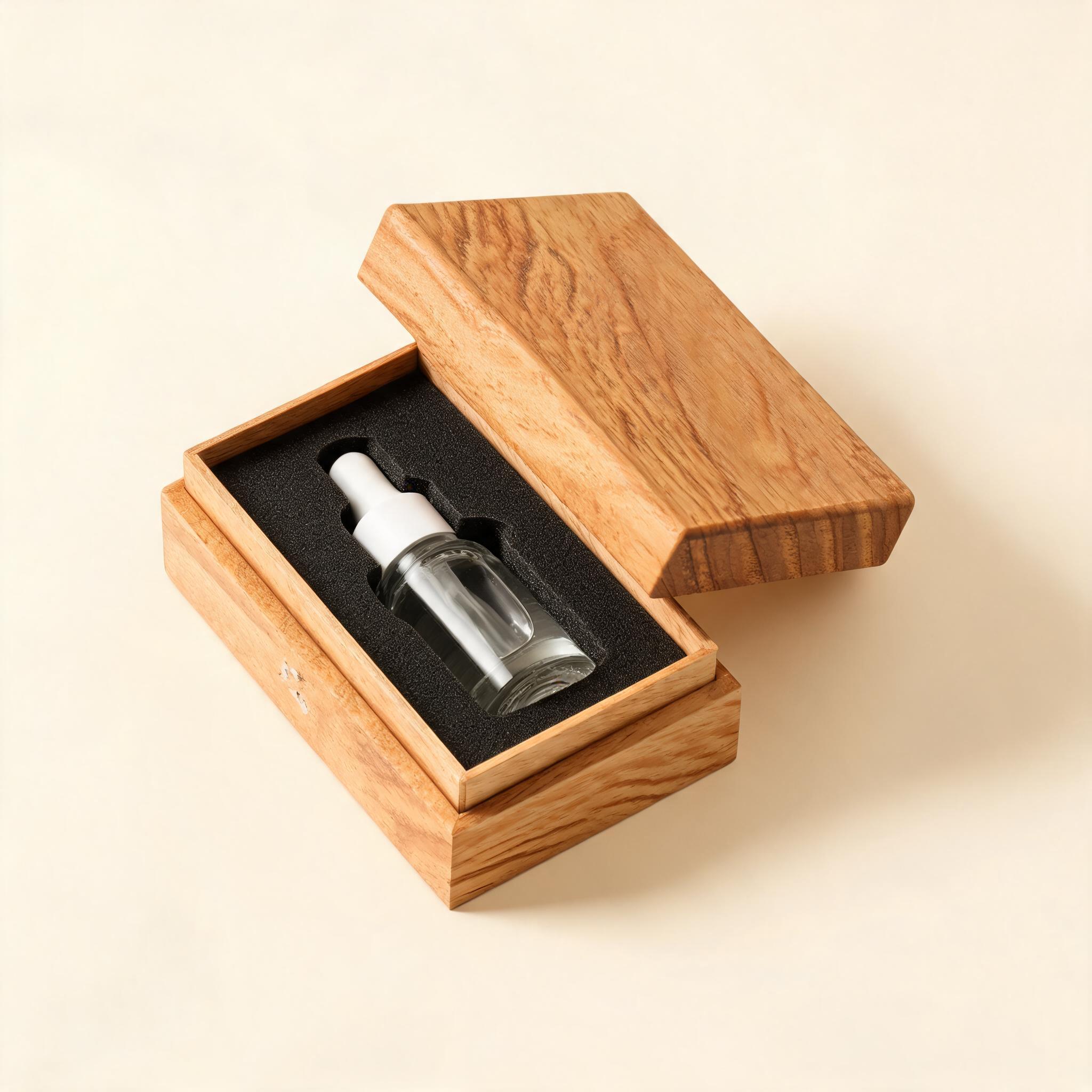
Species by role
- Light and economical: paulownia, pine, poplar
- Stable and consistent: plywood, MDF, bamboo
- Premium grain and weight: walnut, oak, acacia, eucalyptus
- Veneered substrates for large panels and flat surfaces
Custom Solutions
The species sets the tone and the price; the finish decides how it feels and how long it lasts.
Wood is not one material. Paulownia and pine keep a gift box light and affordable; walnut, oak and acacia carry a weight and a grain that reads premium before anyone touches the surface. Bamboo and plywood sit in between, and MDF is the practical choice when the box will be painted rather than shown as timber.
Finish then changes everything again: the same species reads rustic with an oil, formal with a satin lacquer, and completely unlike wood once painted. We send finish boards so the choice is made against a physical sample.
The brief behind it
Choosing a wood is mostly a decision about weight, grain and price, in that order. Weight affects how the box feels and what it costs to ship; grain decides whether a printed or engraved logo will read; price decides which of those two you can afford.
The finish is a separate decision that is often conflated with the species. A pale, closed-grain wood with a satin lacquer can look more expensive than a dark open-grain wood with a cheap matte coat, because sheen and smoothness are read before colour.
This is why we send physical boards. Screens misrepresent wood more than almost any other material — the same walnut reads grey, red or almost black depending on the monitor and the light.
What you can specify
Every point below is developed with you and confirmed on a physical sample before production.
Send the product dimensions, an approximate quantity and the date you need it. We come back with structure, material and finish options — and a clear quotation.
Start a projectAt a glance
The species we use most, and what each is actually good for.
Why it matters
These are the choices this page decides. Getting them right at the sampling stage is what keeps cost and rework out of production.
Discuss your projectWho buys this
The same product is specified very differently depending on who is buying it. These are the briefs we see most often.
Common questions
Natural timber varies; staining and painting reduce that variation. For repeat orders we hold a finish standard and check production against it.
It can be. Bamboo is stable and takes a clean finish well. It has a distinctive edge grain, which suits some brands and not others — it is worth seeing a sample.
Yes. Finish boards are the normal first step: the same species with two or three candidate finishes, so you can judge them under your own lighting.
Paulownia with a good stain and a satin lacquer. The finish does more for perceived quality than upgrading the species does at the low end.
Yes. Oil looks and feels natural but needs periodic re-oiling. For consumer products that will not be maintained, a lacquer is usually the better recommendation.
Yes, if the surface is properly filled and the sheen is chosen well. A matte or satin paint on MDF or plywood can look more considered than an open-grain cheap timber.
We can specify certified timber on request and will confirm what documentation is available for your market when we quote.
Related
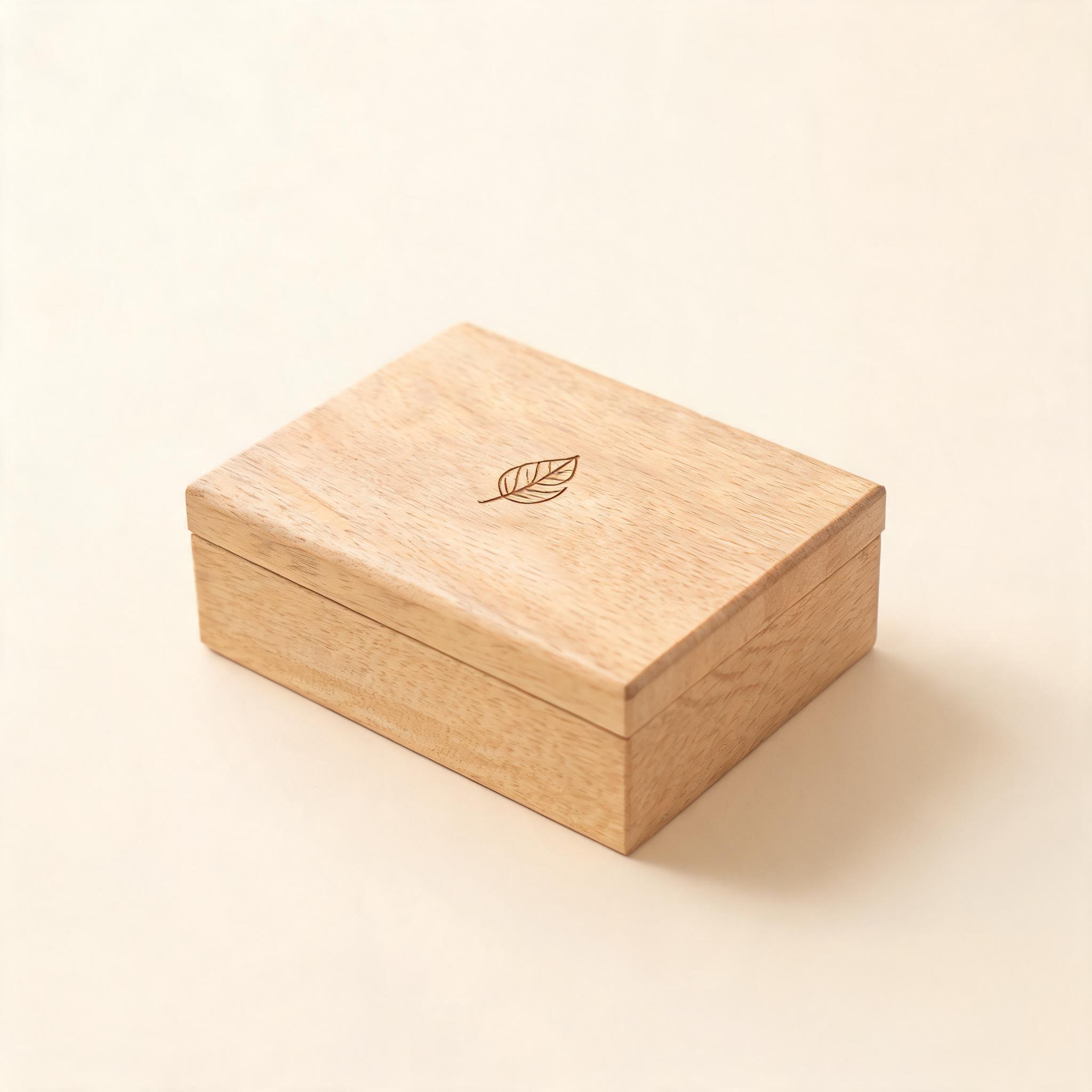
Wood does not have to look wooden — colour and texture let the box carry a brand without losing the material.
Read more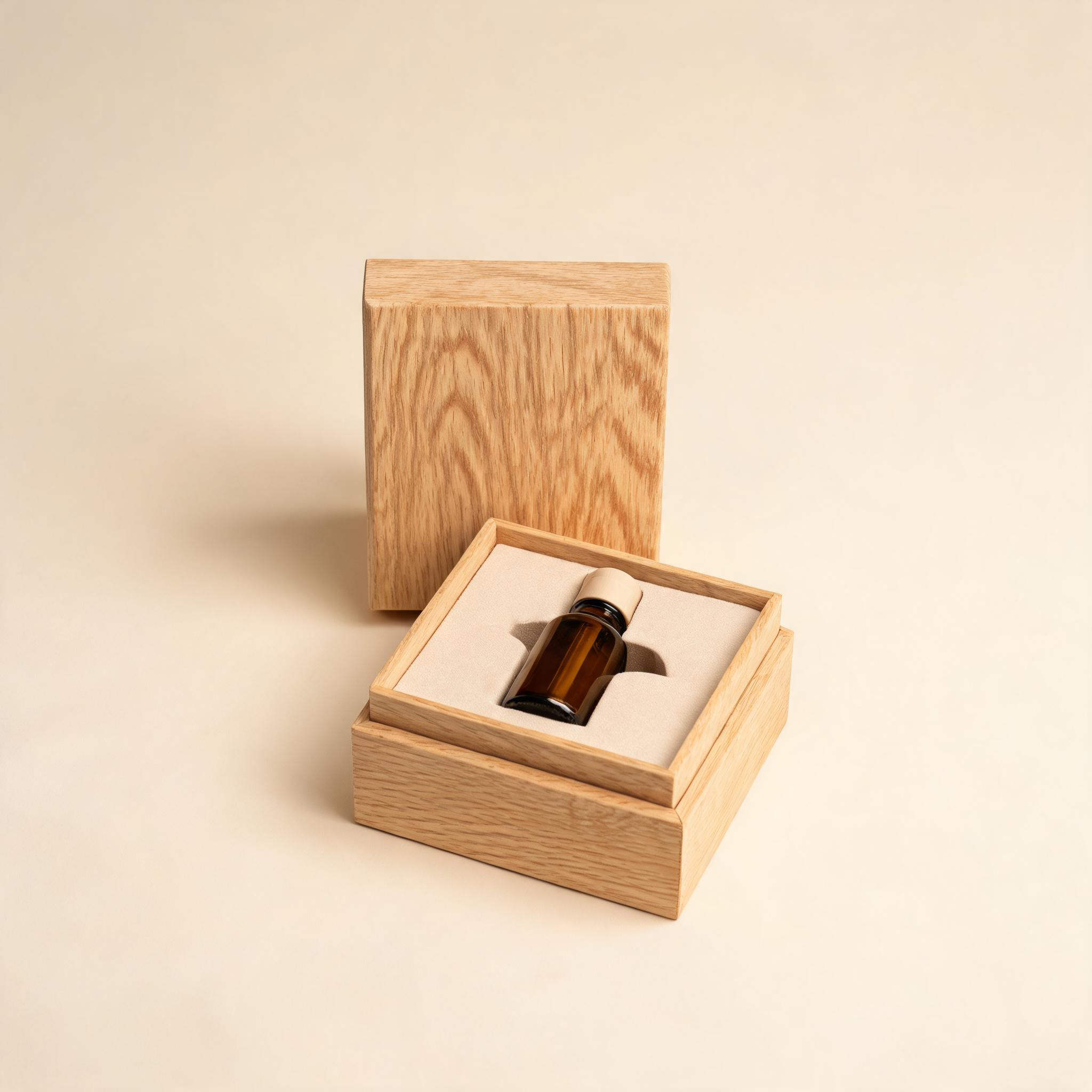
How the box opens and how it is built — the two decisions that constrain everything else.
Read more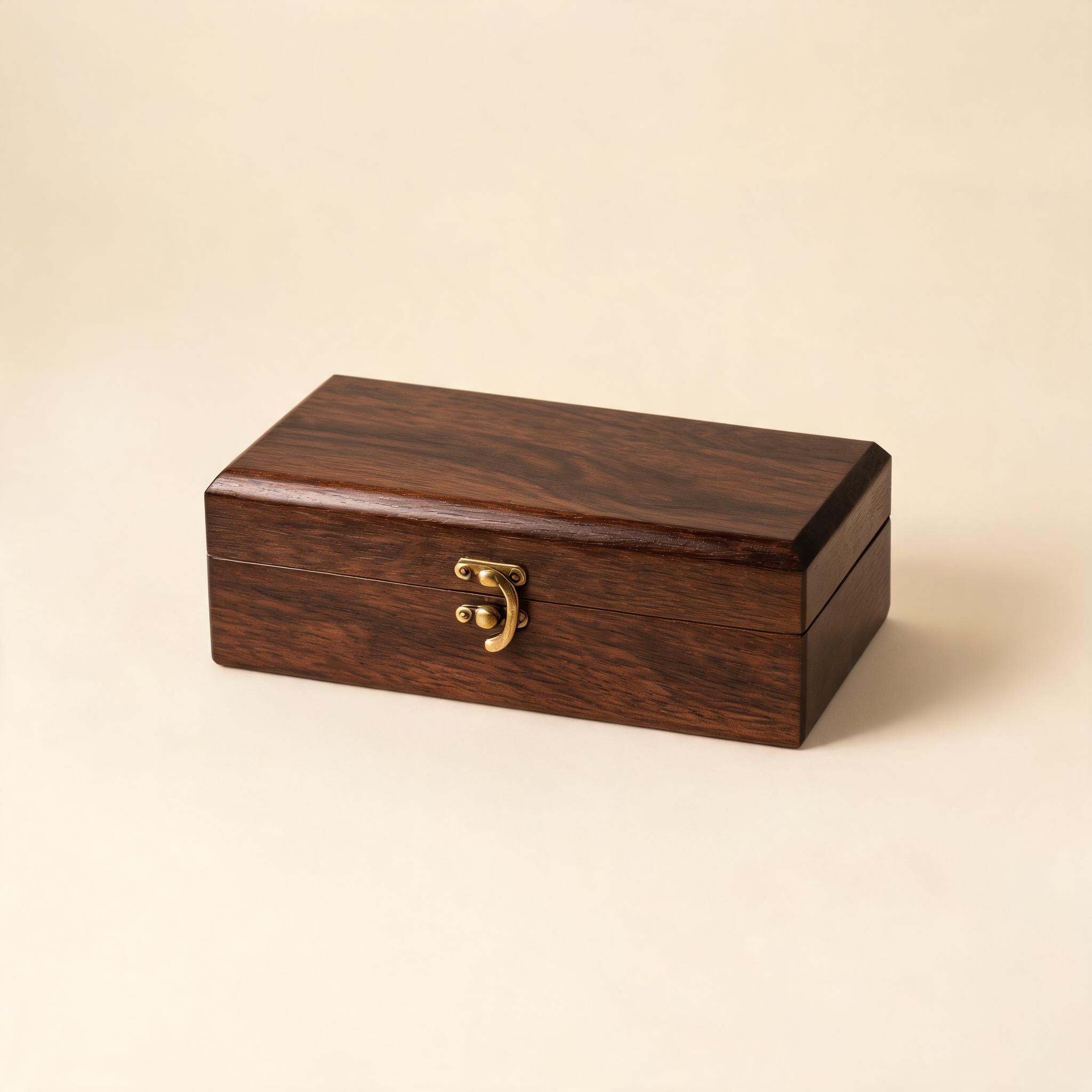
Weighted woods, soft-touch finishes and layered interiors for premium launches.
Read moreBack to the range
Send the brief — we'll come back with structure, material and finish options for wood species & finishes, plus a clear quotation.