
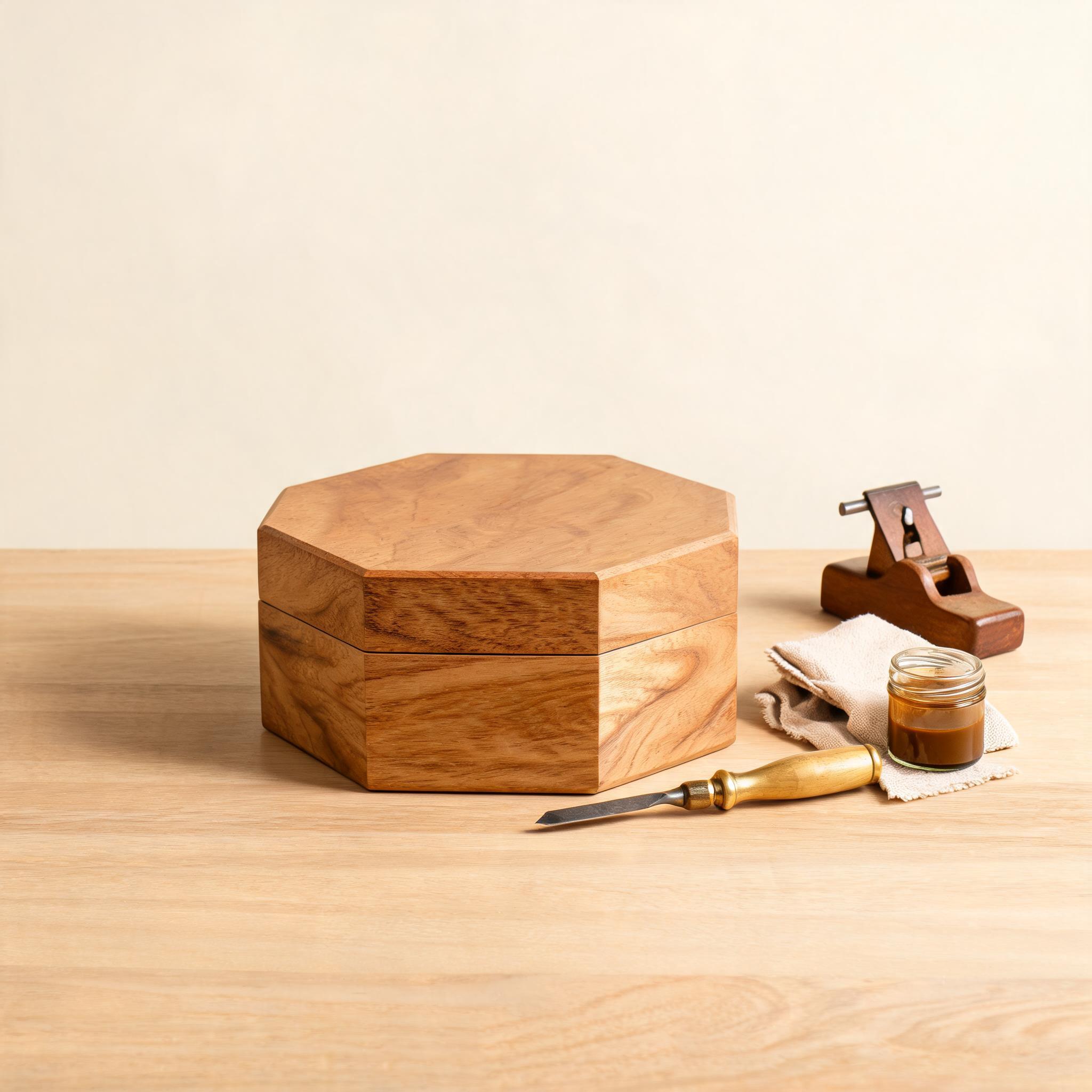
Development from a blank page
- Concept drawings and structural options
- Material and mechanism proposals
- Working prototypes for form, fit and function
- Design development held under NDA where required
Custom Projects
Unusual formats, prototypes and special editions — bring us the brief.
Some briefs do not fit a catalogue: a box that opens like a book, a case that becomes a display, a prototype for a format nobody has made yet. These are the projects where the development work is the product.
We start from whatever you have — a sketch, a reference object, a competitor's pack you want to beat, or a written description of the outcome. From there we develop drawings, structural options and material choices before anything is cut.
The brief behind it
Bespoke work is not bigger custom work. In a normal project the structure is chosen from known options and the design happens inside it. In a bespoke project the structure is the open question, and answering it is most of the effort.
That means the first deliverable is usually a set of options rather than a price: two or three ways the box could work, each with its own trade-offs in cost, weight, tooling and assembly. Choosing between them is a design decision you should make with the trade-offs visible.
Prototyping is the second stage. A working model resolves the questions drawings cannot — whether the lid self-closes, whether the mechanism feels right, whether the box survives being opened repeatedly. It is faster and cheaper to discover that in a prototype than in a production run.
What you can specify
Every point below is developed with you and confirmed on a physical sample before production.
Send the product dimensions, an approximate quantity and the date you need it. We come back with structure, material and finish options — and a clear quotation.
Start a projectAt a glance
The six decisions that define this product. Change one and the cost, weight and lead time move with it.
Why it matters
These are the choices this page decides. Getting them right at the sampling stage is what keeps cost and rework out of production.
Discuss your projectWho buys this
The same product is specified very differently depending on who is buying it. These are the briefs we see most often.
How we run it
We are a sourcing and product development partner rather than a single factory. Your project is matched to a specialist workshop in our manufacturing network, and one team stays accountable for the drawing, the sample, the production schedule and the inspection before dispatch.
Your product, sketch or reference photo becomes a working drawing: internal dimensions, wall thickness, opening mechanism and insert layout, with the trade-offs priced.
Before a full sample is made, you compare species, stain and coating on physical boards under your own lighting — the fastest way to avoid a colour surprise.
A physical sample of the actual construction is made and shipped for approval. Nothing goes into a production run before you sign off on it.
The approved sample becomes the standard. We coordinate the schedule with the workshop best suited to the structure, material and quantity, and report progress.
Units are checked against the approved sample during and after production — dimensions, finish, hardware and branding — then packed for the shipping route.
Export cartons, packing lists and shipping documents are prepared against the agreed trade term, and the shipment is coordinated with your forwarder or delivered to the named port.
Common questions
Yes, and we are happy to do it before you share any detail. The approved sample also becomes the standard that production is held to.
Often yes. Prototypes are a different production process from a run, and we will be straight with you about what is feasible and what it costs.
A sketch or reference, the product it will hold, an approximate quantity and the date you need it. Anything beyond that we will ask for as the concept develops.
Usually two or three structural options at the first stage. More than that tends to confuse the decision rather than inform it.
Sometimes, but not automatically. A prototype is often hand-built; production needs tolerances and an assembly sequence that reproduce the feel reliably. That translation is part of the work.
We will say so early, with the reason and the closest viable alternative. Finding that out at the concept stage is much cheaper than at the sample stage.
Yes — wood combined with metal, fabric, leather or acrylic is common in bespoke work, and it usually means coordinating more than one supplier.
Yes. Your design stays yours. We do not reuse a client's bespoke structure for another client.
Related
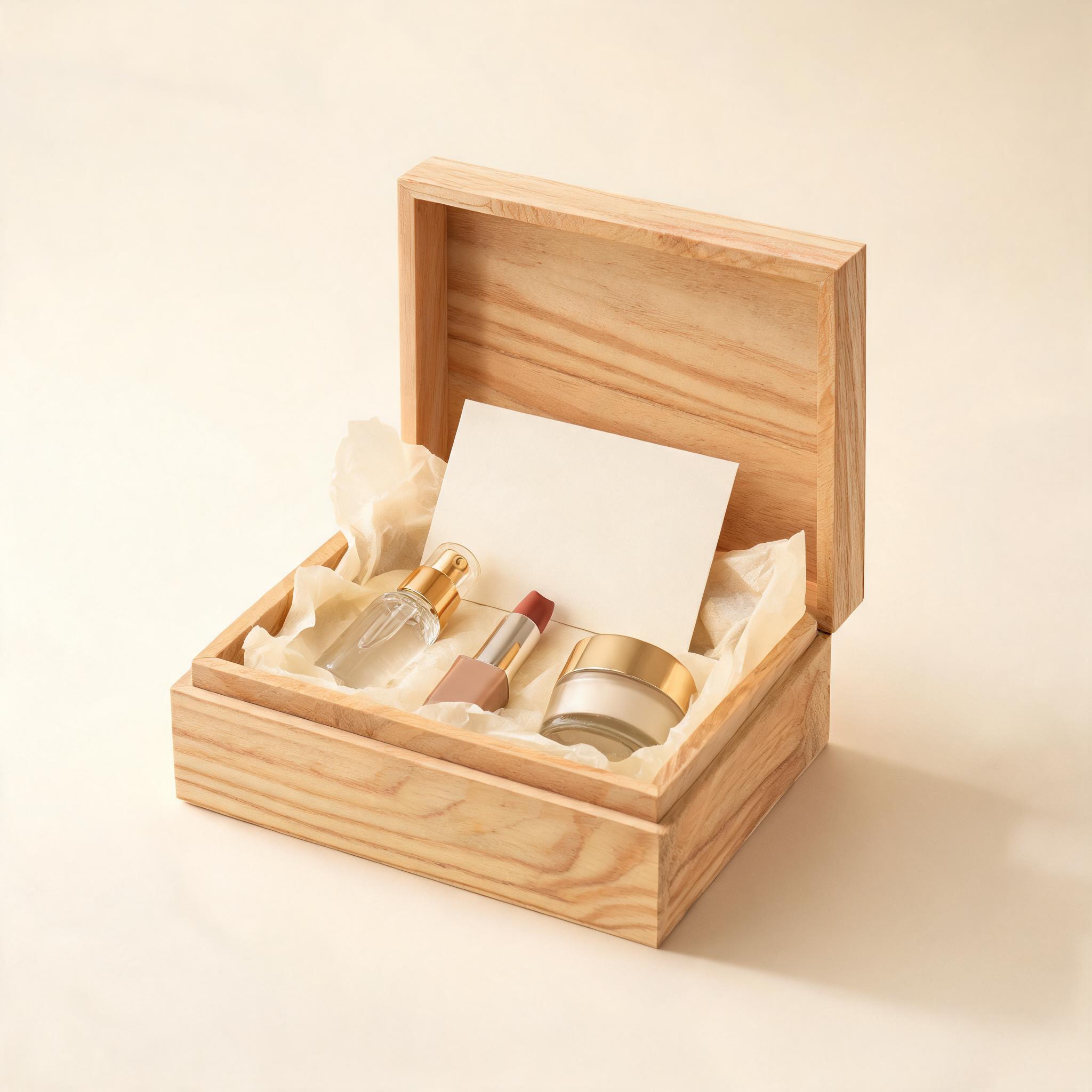
Unboxing moments designed to be photographed, filmed and shared.
Read more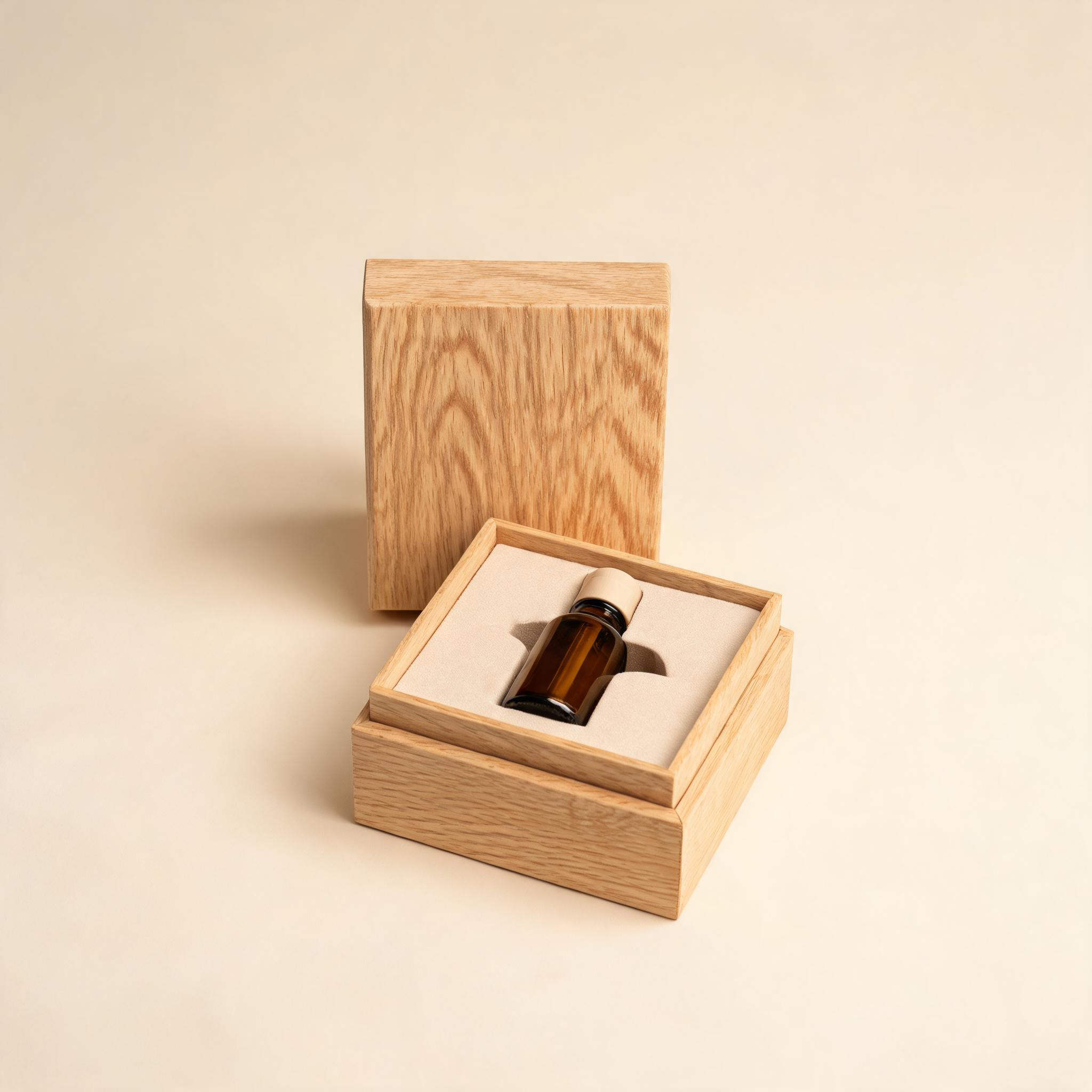
Showcase-grade boxes engineered so the product lands the moment the lid opens.
Read more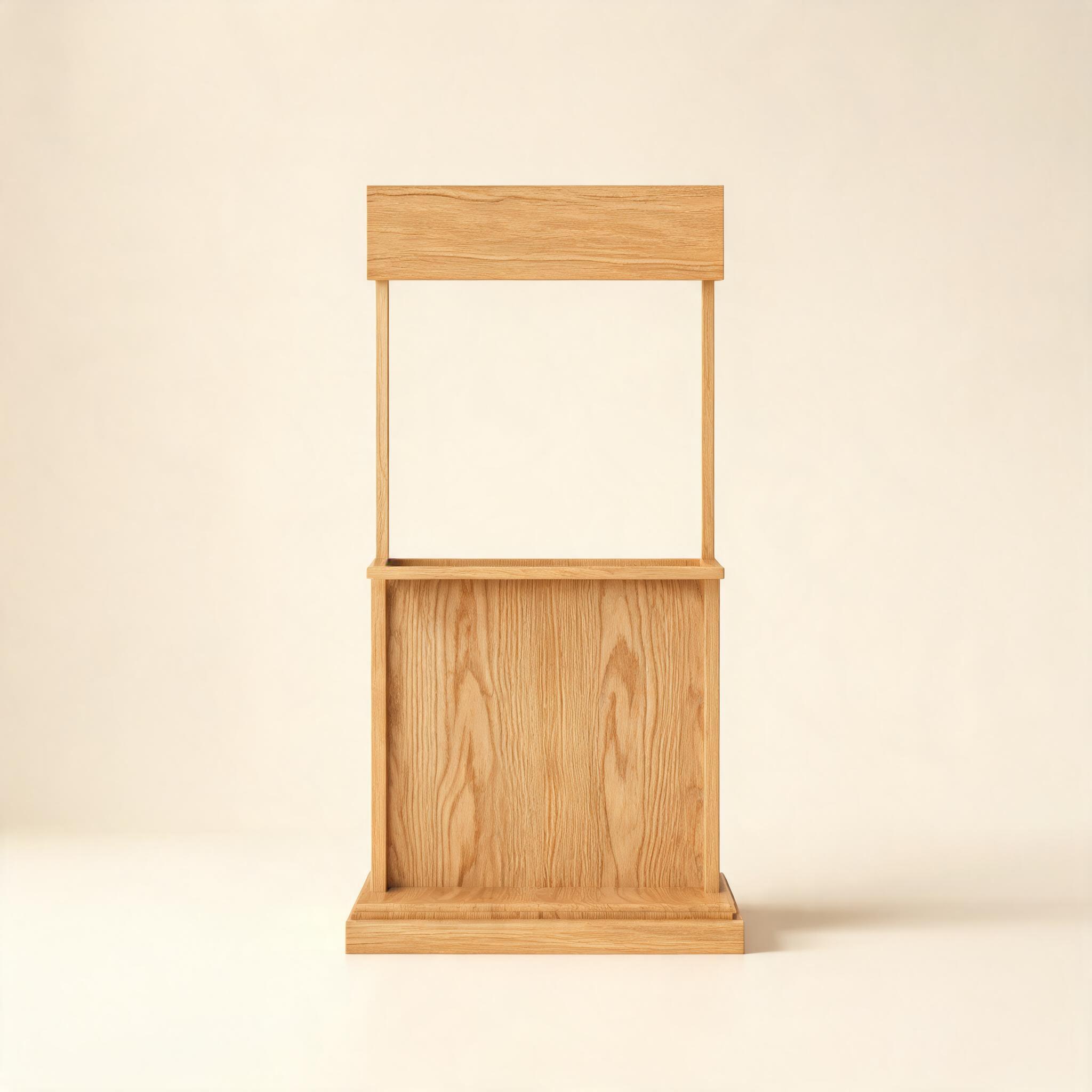
Fixtures built to your brand's finishes, materials and store footprint.
Read moreBack to the range
Send the brief — we'll come back with structure, material and finish options for special projects & bespoke designs, plus a clear quotation.